- The Healthy Mail
- Posts
- Morning workouts vs evening workouts: which builds more muscle and burns more fat.
Morning workouts vs evening workouts: which builds more muscle and burns more fat.
In partnership with

Good morning Healthy Mail family!
You're trying to decide when to work out. Your friend swears by 5am training, claims it kickstarts metabolism and burns more fat all day. Your gym bro says evening workouts are superior because testosterone peaks in the afternoon and you're stronger when muscles are warm.
Both sound convincing. Both cite "research." You're confused about which one is actually better for building muscle and losing fat.
Here's the truth: the research shows small differences in performance and hormonal responses between morning and evening training, but these differences are far smaller than the fitness industry wants you to believe. The best time to work out is the time you'll actually do it consistently. An evening workout you complete beats a morning workout you skip.
Today I'm breaking down what actually changes between morning and evening training, which differences matter and which are overblown, and how to decide when to work out based on your actual goals and schedule.
What topic should I cover next on the newsletter? |
Why Burned-Out Professionals Are Turning to CBD
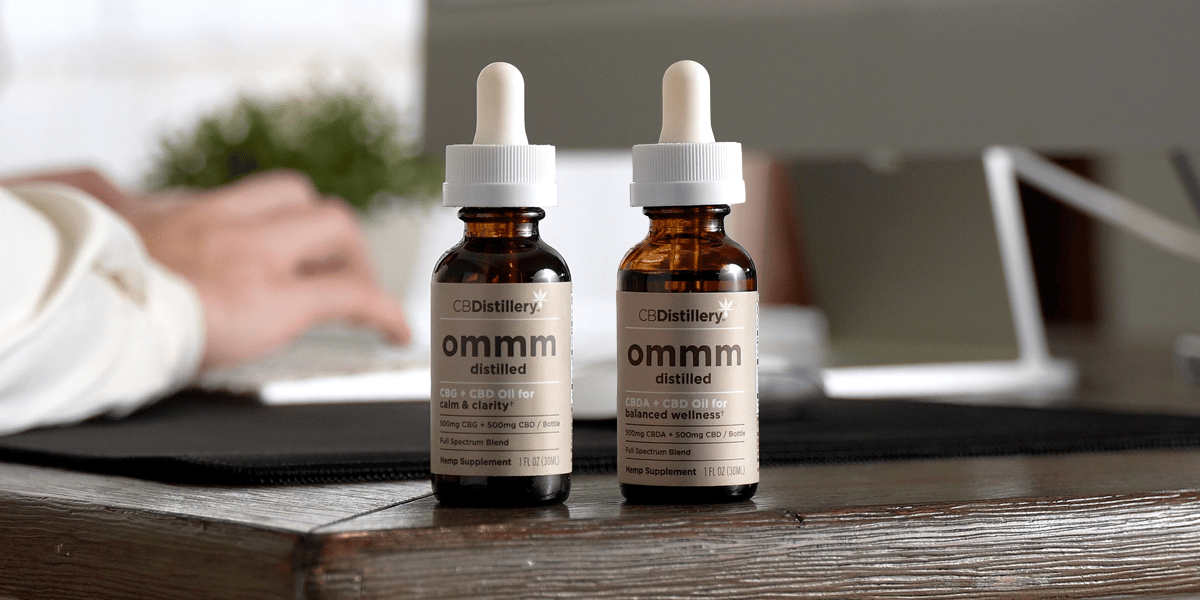
Long hours, heavy workloads and frustrating coworkers: job burnout is on the rise. Savvy professionals are turning to CBD and its sister compound, CBG, to manage work stress and burnout without losing focus.
Like CBD, CBG is a non-intoxicating compound found naturally in the hemp plant that is known for helping to manage mild/temporary anxiety. And these benefits are backed by science: participants in a 2022 CBDistillery study who took CBD + CBG reported:
Reduced mild or temporary anxiety and tension
Increased focus and mental clarity
That CBD + CBG was more effective than other treatments they tried in the past
When it comes to quality CBD products, CBDistillery is leading the way. Non-GMO, US-grown hemp, 100% clean ingredients, and a 60-day satisfaction guarantee give you one less thing to stress about.
Special Deal for Our Readers: Use code FOCUS to save an additional 20% on your first bundle order!
WHAT CHANGES THROUGHOUT THE DAY
Your body isn't static. Hormones, body temperature, muscle function, and nervous system activity fluctuate on a 24-hour cycle (circadian rhythm). This affects exercise performance.
Body temperature: Core body temperature is lowest in early morning (around 6am) and peaks in late afternoon/early evening (around 5-7pm). Higher body temperature correlates with better muscle contractility, faster nerve conduction, and improved joint flexibility. This is why you feel stiffer and weaker in early morning workouts.
Testosterone: In men, testosterone peaks in the morning (around 7-9am) and gradually declines throughout the day. By evening, testosterone is 20-30% lower than morning levels. Women don't experience the same pronounced daily testosterone fluctuations.
Cortisol: Cortisol spikes in the morning (cortisol awakening response) and declines throughout the day. Morning workouts add exercise-induced cortisol on top of already-elevated morning cortisol.
Strength and power: Multiple studies show that strength, power output, and athletic performance peak in late afternoon/early evening. Grip strength, jump height, sprint speed, and maximal lifts are all 3-8% higher at 4-7pm compared to 6-8am.
Muscle glycogen: After overnight fasting, muscle glycogen is lower in the morning compared to evening after eating throughout the day. This affects performance in high-intensity or long-duration exercise.
These physiological differences are real. But do they actually matter for your muscle growth and fat loss results?
MUSCLE BUILDING: MORNING VS EVENING
The fitness industry claims evening workouts build more muscle because you're stronger, testosterone is higher, and muscles are warmer. Let's examine this.
Strength performance: You are objectively stronger in the evening. Studies show 3-8% higher force production and power output in late afternoon/evening compared to early morning. This means you can lift slightly heavier weights or do slightly more reps in evening workouts.
Does this matter? If you can bench press 225 lbs for 8 reps in the evening versus 215 lbs for 8 reps in the morning, that's a 4.4% difference. Over time, this could theoretically lead to slightly more muscle growth. But the effect is small and only matters if you're consistently training to true failure.
Testosterone timing: Morning testosterone is 20-30% higher than evening. Wouldn't training during peak testosterone be better for muscle growth?
The reality: Acute testosterone spikes from training don't correlate with muscle growth. Multiple studies have shown that the temporary testosterone increase during and after a workout doesn't predict hypertrophy outcomes. What matters is chronic testosterone levels over weeks and months, not whether you train when testosterone is naturally elevated for an hour.
The difference between training at 200 ng/dL (evening) versus 250 ng/dL (morning) for 60 minutes doesn't meaningfully impact muscle protein synthesis or long-term muscle growth. Both are well within normal range.
Protein synthesis: Muscle protein synthesis is elevated for 24-48 hours after resistance training regardless of training time. Morning or evening training both trigger this response. The timing doesn't significantly affect the magnitude or duration of elevated protein synthesis.
The research verdict: Studies comparing muscle growth from morning versus evening resistance training show no significant differences when volume and intensity are matched. A 2019 study in Frontiers in Physiology found similar hypertrophy and strength gains between morning and evening training groups over 12 weeks.
What actually matters for muscle growth:
Training volume (sets × reps × weight)
Progressive overload over time
Adequate protein intake (1.6-2.2g/kg body weight)
Consistency (training 3-5x weekly for months/years)
Recovery and sleep
The 3-8% strength difference between morning and evening is negligible compared to the importance of these factors.
FAT LOSS: MORNING VS EVENING
The morning workout crowd claims training fasted in the morning burns more fat. Evening trainers say it doesn't matter. What does research show?
Fasted morning cardio: The theory is that training in a fasted state (before breakfast) forces your body to burn fat for fuel because glycogen is depleted overnight. You'll oxidize more fat during the workout.
The reality: Yes, you burn a higher percentage of calories from fat during fasted cardio. But total fat loss over 24 hours is determined by total calorie deficit, not which fuel source you use during the workout.
Studies comparing fasted morning cardio to fed cardio show no significant difference in total fat loss when calories and protein are matched. A 2014 study in the Journal of the International Society of Sports Nutrition found identical body composition changes between fasted and fed cardio groups over 4 weeks.
Why fasted cardio doesn't provide extra fat loss: Even if you burn more fat during the fasted morning workout, you burn less fat later in the day when glycogen stores are full from eating. Over 24 hours, the fuel partitioning evens out. Total calories burned determines fat loss, not when you burn them or which fuel source powers the workout.
Performance matters: Training fasted often reduces workout intensity and volume because energy availability is lower. If you can do 45 minutes of vigorous cardio fed but only 30 minutes fasted before feeling weak, the fed workout burns more total calories and provides better training stimulus.
Does training time affect metabolic rate? Some claim morning workouts elevate metabolism for the entire day (EPOC - excess post-exercise oxygen consumption). Evening workouts supposedly disrupt sleep and recovery.
The research: EPOC from moderate exercise is minimal regardless of training time - maybe 50-100 extra calories burned over several hours. This is far smaller than claimed. Evening workouts don't significantly impair sleep in most people, especially when training ends 2+ hours before bedtime.
The fat loss verdict: Training time has minimal direct impact on fat loss. Total calorie expenditure and dietary deficit over weeks and months determine fat loss, not whether you train at 6am or 6pm.
What actually matters for fat loss:
Calorie deficit sustained over time
Adequate protein to preserve muscle (100-140g daily)
Resistance training to maintain lean mass during deficit
Consistency (training 4-6x weekly for months)
Sleep quality (poor sleep increases hunger and reduces fat loss)
The timing is irrelevant compared to these factors.
INDIVIDUAL PERFORMANCE DIFFERENCES
While research shows small average differences favoring evening performance, individual variation is huge. Some people genuinely perform better in the morning despite physiological disadvantages.
Chronotype matters: Morning people (larks) naturally wake early and feel energized in the morning. Evening people (owls) feel sluggish until afternoon and peak energy comes late. Your chronotype affects when you perform best.
Training adaptation: Your body adapts to consistent training times. If you always train at 6am, your performance at 6am improves over weeks as your body learns to anticipate the demand. Studies show that people who consistently train in the morning eventually perform as well in morning sessions as they would have in evening sessions when they first started.
Time-of-day preference: Some people simply prefer morning workouts mentally. They feel accomplished starting the day with training. Others hate morning workouts and would rather train after work when they're mentally awake.
These individual factors matter more than the small physiological differences research identifies.
PRACTICAL CONSIDERATIONS THAT ACTUALLY MATTER
The fitness industry ignores these because they're not sexy, but they determine real-world results.
Schedule and consistency: Can you actually maintain the training time? A 5am workout requires going to bed at 9pm to get adequate sleep. Can you sustain that schedule including weekends? If not, morning training won't work long-term.
Evening training requires leaving work on time, not getting stuck in meetings, and resisting the temptation to skip after a long day. If your schedule makes evening training inconsistent, it doesn't matter that physiological performance peaks at 5pm.
Gym crowding: Many commercial gyms are packed 5-7pm when everyone gets off work. If you hate waiting for equipment or training in a crowded space, early morning or lunchtime training might provide better actual training quality even if your physiology says evening is optimal.
Family and social life: Morning training means missing family breakfasts or leaving home before kids wake. Evening training means missing dinner or not seeing family until late. Which trade-off is sustainable for your life?
Meal timing: If you train in the morning, you need to decide whether to train fasted or wake up earlier to eat pre-workout. Evening training allows eating throughout the day before training. Which fits your eating preferences?
Energy and mental focus: Do you have willpower and energy for hard training after a full day of work? Or do you mentally check out by 6pm and half-ass evening workouts? If morning is the only time you can bring full effort, morning wins despite lower physiological performance.
WHAT THE RESEARCH ACTUALLY SHOWS
When you look at long-term studies comparing morning and evening training with matched volume and intensity, results are nearly identical for both muscle growth and fat loss.
Key studies:
2009 study in Journal of Strength and Conditioning Research: No significant difference in strength gains between morning and evening training groups over 10 weeks.
2019 study in Frontiers in Physiology: Similar muscle growth and strength gains between morning and evening resistance training over 12 weeks when participants trained at consistent times.
2014 study in JISSN: Identical body composition changes between fasted morning cardio and fed cardio groups over 4 weeks when calories were matched.
The pattern: Small differences exist in acute performance and hormonal responses. These differences don't translate to meaningful differences in long-term outcomes when volume, intensity, and consistency are matched.
HOW TO DECIDE WHEN TO TRAIN
Instead of chasing optimal timing based on circadian rhythm, ask these questions:
1. When can you train consistently 3-6 days weekly for months/years? Consistency matters infinitely more than optimal timing.
2. When do you have the most energy and focus to train hard? Training quality (effort, intensity) matters more than physiological performance peaks.
3. When does your schedule realistically allow training without constant conflicts? A training time that constantly gets interrupted or skipped doesn't work regardless of physiology.
4. Which timing allows adequate sleep (7-8 hours nightly)? If 5am training means sleeping 6 hours, evening training is better despite lower performance.
5. Which do you prefer mentally and emotionally? Hating your training time kills adherence. Enjoying the process matters.
If the answer to these questions is "morning," train in the morning. If it's "evening," train in the evening. The 3-8% performance difference is irrelevant if you're inconsistent.
THE ONLY SCENARIO WHERE TIMING MIGHT MATTER
If you're:
An elite athlete where 3% performance differences affect competitive outcomes
Training for powerlifting or Olympic lifting where absolute maximal strength matters
Already training consistently with perfect volume, intensity, recovery, and nutrition
Then timing your training to coincide with peak performance (late afternoon/early evening) might provide marginal benefits.
For everyone else—people training to build muscle, lose fat, improve health, or look better—timing doesn't matter. Consistency, effort, progressive overload, and recovery matter.
COMMUNITY SPOTLIGHT
Last week, reader Tom (39) replied to our gut health supplement newsletter:
"I spent $80 monthly on probiotics, digestive enzymes, and prebiotic powders for TWO YEARS. $1,920 total. My digestion didn't improve. Started eating plain yogurt daily, added beans and lentils to meals, ate 30+ different plant foods weekly. Digestion improved in 3 weeks. Cost: maybe $15 extra monthly. I was an idiot paying for supplements."
Want to be featured? Reply with your training time story—what time you train, why it works for your schedule, what you tried before that didn't stick. Real experiences, not fitness influencer 5am cold plunge routines.
The truth nobody wants to hear:
The fitness industry wants you believing that training time is crucial because it creates another thing to optimize, another thing to sell you. Train in the morning? You need pre-workout formulas designed for fasted training. Train in the evening? You need specific intra-workout supplements and post-workout recovery stacks. They profit from making you think small physiological differences matter more than they do. The reality is brutal: a mediocre evening workout you actually do beats a theoretically optimal morning workout you skip because you hate waking up early. The 3-8% strength difference between morning and evening training is meaningless if you're inconsistent, half-assing workouts, eating inadequate protein, or sleeping poorly. The supplement industry sells you $50 pre-workout powders for morning training and $40 post-workout formulas for evening training. What actually determines results? Training consistently 3-5x weekly for months, progressively overloading, eating 1.6-2.2g protein per kg bodyweight, and sleeping 7-8 hours nightly. Do these things at any time of day and you'll build muscle and lose fat. Skip them while obsessing about training at 5pm versus 6am and you'll spin your wheels while the supplement industry profits from your confusion.
Here's to training when you'll actually do it,
Sarah
When you're ready, here are 2 ways I can help:
1. The Complete Healthy Eating Bundle: 180 high-protein recipes that fuel your training regardless of when you work out. Pre-workout meals, post-workout meals, meal prep for consistency. Get 70% off with code "2026"
2. Sponsor this newsletter: Reach 43,000+ health-conscious subscribers who actually read, engage, and take action. No BS fitness bros, no fad dieters—just people who want real, evidence-based training and nutrition information. Contact us at [email protected]