- The Healthy Mail
- Posts
- Stubborn fat explained: why belly fat and love handles are the last to go.
Stubborn fat explained: why belly fat and love handles are the last to go.
You Lost 20 Pounds. Your Face, Arms, and Legs Look Leaner. Your Belly and Love Handles Look Exactly the Same. Here's Why.
In partnership with

Good morning Healthy Mail family!
You've been dieting for three months. You've lost 20 pounds. Your face looks noticeably leaner. Your arms have more definition. Your legs are slimmer. You can see changes everywhere except the one place you actually care about: your belly and love handles look exactly the same as they did 20 pounds ago.
You're doing everything right. You're in a calorie deficit. You're hitting your protein targets. You're working out consistently. But the fat around your midsection isn't budging while fat everywhere else is melting off.
You start doing extra ab exercises thinking targeted work will help. You try fat-burning supplements. You consider whether there's something metabolically wrong with you because everyone else seems to lose belly fat but yours refuses to go away.
Here's the truth: there's nothing wrong with you. Belly fat and love handles are biologically programmed to be the last fat you lose. This isn't laziness or bad genetics in the way most people think. This is receptor density, blood flow patterns, and insulin sensitivity creating areas of fat that are legitimately harder to mobilize than other fat on your body.
Today I'm breaking down exactly why certain body fat is stubborn while other fat comes off easily, the biological mechanisms that make belly fat and love handles resistant to fat loss, and what actually works to lose them versus the myths that keep people doing useless targeted exercises.
What topic should I cover next on the newsletter?
Reply with the number:
Why you're exhausted by 2pm every day (it's not just poor sleep)
Blood work: which markers actually matter vs which your doctor ignores
The Cholesterol Myth: Why 50 Years of Advice Might Have Been Wrong.
6 Yummy high protein Lunch Box Ideas for a Week
How One Wellness Brand Is Helping America Sleep Better
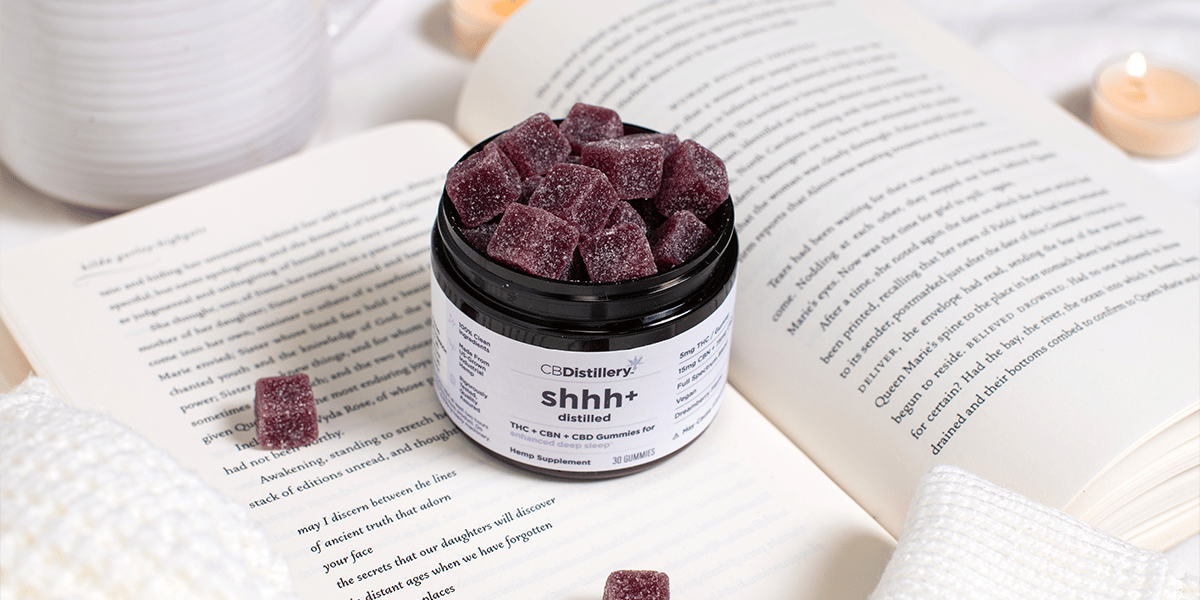
You know the importance of sleep, but actually getting enough is easier said than done. One wellness brand decided to study the problem and whether CBD could help.
CBD users have long reported feeling calmer and sleeping better, whether taking the compound by itself or with related hemp-derived compounds like CBN and THC. But rumor isn’t research, so CBDistillery conducted two sleep studies: a 2021 study into CBD and CBN, and a 2023 study with technology app Releaf into CBD, CBN and THC.
Study participants who took CBD and CBN reported falling asleep easier and sleeping an hour longer per night, on average. Study participants who took THC as well as CBD and CBN reported improved quality of sleep and waking up more refreshed the next morning.
Want to experience better sleep and still wake up refreshed? Try CBDistillery’s sleep solutions for yourself and save 25% with code SLP25.
WHY FAT LOSS ISN'T UNIFORM ACROSS YOUR BODY
The first thing you need to understand is that your body doesn't lose fat uniformly. You can't choose where you lose fat from, and different areas of your body release stored fat at different rates.
This happens because of three main factors: receptor density, blood flow, and insulin sensitivity in different fat deposits.
Alpha and beta receptors: Your fat cells have two types of receptors that control fat release. Beta receptors activate fat breakdown and release. Alpha receptors inhibit fat breakdown and promote fat storage. The ratio of these receptors varies across different body parts.
Areas with more beta receptors release fat easily. Areas with more alpha receptors resist fat release. Your belly and love handles have a higher ratio of alpha to beta receptors compared to other body parts. This means they're biochemically more resistant to releasing stored fat.
Blood flow: Fat breakdown requires blood flow to transport the released fatty acids away from fat cells to be burned for energy. Areas with poor blood flow accumulate fat more easily and release it more slowly because even when fat cells break down stored fat, there's insufficient blood flow to carry it away.
Subcutaneous belly fat and love handles have relatively poor blood flow compared to fat in your arms, legs, and face. This is one reason why these areas are stubborn. The fat might be breaking down at a cellular level, but it's not being transported away efficiently.
Insulin sensitivity: Different fat deposits have different insulin sensitivity. Areas that are more insulin-sensitive store fat more readily when insulin is elevated. Your belly fat is particularly insulin-sensitive, which means it stores fat easily when you're eating in a surplus and releases it reluctantly when you're in a deficit.
These three factors combine to create what people experience as stubborn fat. It's not that the fat won't come off. It's that it comes off last, after the easier-to-mobilize fat in other areas is already gone.
WHY BELLY FAT SPECIFICALLY IS THE LAST TO GO
Belly fat isn't just aesthetically frustrating. It's biologically different from other fat on your body and serves specific evolutionary purposes that explain why it's so resistant to loss.
Visceral vs subcutaneous belly fat: There are two types of belly fat. Visceral fat surrounds your organs deep in your abdomen. Subcutaneous fat sits just under the skin and is what you can pinch. Both are stubborn, but for different reasons.
Visceral fat is metabolically active and actually responds relatively well to diet and exercise because it has high beta receptor density. If you've lost weight and your belly got smaller but you still have a layer of fat you can pinch, that remaining fat is subcutaneous. And subcutaneous belly fat is extremely stubborn because of high alpha receptor density and poor blood flow.
Evolutionary purpose: Your body stores fat in your midsection as an energy reserve for times of scarcity. From an evolutionary standpoint, this fat is meant to be the emergency backup that only gets used when all other fat stores are depleted. Your body preferentially preserves this fat because historically it kept you alive during famine.
Modern humans don't experience famine, but your body doesn't know that. It still treats belly fat as the precious emergency reserve that should be the absolute last fat to go.
Hormonal factors: Cortisol, the stress hormone, promotes fat storage in the abdominal region. Chronic stress leads to chronically elevated cortisol, which makes belly fat more resistant to loss and more prone to accumulation. This is independent of calories. You can be in a deficit and still struggle with belly fat if cortisol is chronically elevated.
GENDER DIFFERENCES IN STUBBORN FAT PATTERNS
Men and women store fat differently, which means they also have different areas of stubborn fat.
Men: Tend to store more fat in the abdominal region and love handles. The classic "apple shape" body type. For men, belly fat and love handles are typically the first place fat accumulates and the last place it leaves. This is driven by testosterone and cortisol patterns.
Lower abs and love handles are particularly stubborn for men because of high alpha receptor density in these specific areas. A man can have visible abs in his upper abdomen while still having lower belly fat and love handles that won't budge until he reaches very low body fat percentages, often below 12 percent.
Women: Tend to store more fat in hips, thighs, and buttocks. The classic "pear shape" body type. For women, these areas are the stubborn zones driven by estrogen, which promotes fat storage in the lower body for reproductive purposes.
Women also store subcutaneous belly fat, but it's often less prominent than hip and thigh fat until after menopause, when declining estrogen shifts fat storage patterns more toward the abdominal region like men.
The pattern is consistent though: everyone has areas where fat accumulates first and leaves last, determined by receptor density, blood flow, and hormonal factors.
WHAT ACTUALLY WORKS TO LOSE STUBBORN FAT
Now the practical part. If stubborn fat is biologically resistant to loss, what actually works to get rid of it?
Stay in a calorie deficit long enough: This is the only non-negotiable requirement. Stubborn fat doesn't require special techniques. It just requires patience and consistency. You need to maintain a calorie deficit long enough that your body depletes the easy-to-mobilize fat and is forced to tap into the stubborn reserves.
For most people, this means getting to lower body fat percentages than they expect. Men often need to get below 15 percent body fat to see significant reduction in belly fat and love handles. Women often need to get below 22 to 25 percent. These aren't extreme levels, but they're leaner than most people have ever been.
Maintain muscle mass while losing fat: The more muscle you preserve during fat loss, the better your body composition looks at any given weight. Someone at 180 pounds with more muscle looks dramatically leaner than someone at 180 pounds with less muscle.
Strength training two to three times weekly and eating adequate protein, at least 0.8 to 1 gram per pound of body weight, preserves muscle while you lose fat. This means more of your weight loss comes from fat, including stubborn fat, rather than a mix of fat and muscle.
Manage stress and sleep: Chronically elevated cortisol makes belly fat more resistant to loss. Managing stress through sleep, recovery, and stress-reduction practices helps normalize cortisol levels, which makes stubborn fat more responsive to caloric deficits.
Getting seven to eight hours of quality sleep nightly, managing work stress, and incorporating rest days from training all contribute to better hormonal environments for fat loss.
Be patient with the timeline: This is the hardest part. Stubborn fat comes off slowly even when you're doing everything right. You might lose 2 pounds weekly for the first month, then 1 pound weekly for the next two months, then 0.5 pounds weekly for the final month as you're losing the stubborn fat.
The rate slows because you're leaner, your deficit is smaller, and the remaining fat is biochemically more resistant. This doesn't mean it's not working. This means you're in the final phase where stubborn fat is finally being mobilized.
WHAT DOESN'T WORK (DESPITE WHAT YOU'VE HEARD)
Let's address the myths that waste people's time and money.
Targeted fat loss through exercise: You cannot spot-reduce fat. Doing 500 crunches daily will not burn belly fat specifically. It will strengthen your abs, but fat loss is systemic. Your body decides where to pull fat from based on the factors we discussed: receptor density, blood flow, hormones.
Ab exercises are fine for building muscle, but they don't preferentially burn belly fat any more than bicep curls burn arm fat.
Fat-burning supplements: Most fat burners are caffeine and green tea extract. They might increase your daily calorie burn by 50 to 100 calories, which is minimal. They don't target stubborn fat. They don't overcome the biological factors that make certain fat resistant.
Save your money and create a slightly larger deficit through diet or increased activity instead.
Waist trainers and wraps: These compress your midsection temporarily, making you look slimmer while wearing them. They don't burn fat. They don't reduce stubborn fat. Once you take them off, you look exactly the same as before.
Special diets that claim to target belly fat: No diet specifically targets belly fat. Keto doesn't burn belly fat preferentially. Intermittent fasting doesn't target stubborn fat. These diets can work for fat loss because they help create calorie deficits, but they're not mobilizing stubborn fat through special mechanisms.
The pattern is clear. There are no shortcuts for stubborn fat. The solution is maintaining a deficit long enough to reach the body fat percentage where stubborn areas finally start reducing.
REALISTIC EXPECTATIONS FOR STUBBORN FAT LOSS
Here's what the timeline actually looks like for most people losing stubborn fat:
Weeks 1-4: You lose 6 to 8 pounds. Your face looks leaner. Your arms and legs show changes. Belly and love handles might reduce slightly but are still prominent.
Weeks 5-12: You lose another 10 to 15 pounds. Upper abs start showing definition. Face is noticeably leaner. Arms and legs are significantly slimmer. Belly and love handles are smaller but still there.
Weeks 13-20: You lose another 8 to 12 pounds. Lower abs start showing. Love handles are finally reducing noticeably. This is where stubborn fat loss actually accelerates because you've depleted easier fat stores.
Total weight loss: 25 to 35 pounds over 5 months. Total body fat reduction: Men from 25 percent to 12-15 percent, women from 32 percent to 22-25 percent. At this point, stubborn fat is visibly reduced, though not completely gone unless you continue to even leaner levels.
The key insight is that stubborn fat doesn't start coming off until you're already fairly lean. If you quit at week 8 because your belly hasn't changed much, you quit right before the phase where it would have started changing.
WHAT YOU NEED RIGHT NOW
Losing stubborn fat requires maintaining a calorie deficit for months while preserving muscle mass. This is only sustainable if you're eating satisfying, high-protein meals that keep you full on fewer calories.
That's exactly why I created The Complete Healthy Eating Bundle - 180 recipes across Breakfast, Lunch, Dinner, Smoothies, Snacks, and Desserts. Every recipe is built around high protein and high volume, which means you stay full while maintaining the deficit needed to lose stubborn fat.
The protein content preserves muscle mass so your weight loss comes from fat, not muscle. The high-volume meals keep you satisfied so you can sustain the deficit for the months required to actually lose stubborn fat instead of quitting after six weeks.
When you're trying to get lean enough to lose stubborn fat, you need meals that work with your biology, not against it. High protein, high satiety, designed for consistency over months, not weeks.
Get The Complete Healthy Eating Bundle here
(Use code: "2026" to get 70% OFF)
Stop doing endless crunches hoping to spot-reduce belly fat. Maintain a deficit long enough to actually reach the body fat percentage where stubborn fat comes off.
Here's to understanding your biology instead of fighting it,
How Was Today's Edition? |
Sarah
P.S. - I lost 30 pounds and my belly fat barely changed for the first 20 pounds. Face got lean, arms got defined, legs got slimmer. Belly and love handles stayed. I almost quit thinking something was wrong. Then between pounds 20 and 30, the stubborn fat finally started coming off because I'd depleted the easier fat stores first. That's how it works for everyone. The Complete Bundle made those final months sustainable because the high-protein meals kept me full enough to maintain the deficit without feeling miserable. Stubborn fat requires patience, not special techniques.