- The Healthy Mail
- Posts
- The gut health industry is $50 billion. 80% of products have zero evidence. Here's the 20% that works.
The gut health industry is $50 billion. 80% of products have zero evidence. Here's the 20% that works.
In partnership with

Good morning Healthy Mail family!
Your Instagram feed is full of gut health products. Probiotics promising better digestion and weight loss. Prebiotic powders to feed good bacteria. Digestive enzymes. Gut cleanses. Apple cider vinegar gummies. Expensive yogurts with 50 billion CFUs.
The gut health industry is worth $50 billion and growing. Your favorite influencer has a probiotic sponsorship. Your doctor might have mentioned them. An entire aisle at Whole Foods is dedicated to gut health.
Here's the truth: 80 percent of gut health products are expensive placebos with zero evidence. The gut microbiome is real and matters for health. But most products sold to improve it either don't work or haven't been properly studied. The 20 percent that actually works is cheaper, simpler, and less profitable, which is why it's not marketed aggressively.
Today I'm breaking down which gut health products are wastes of money and what genuinely improves gut health according to research.
FUTURE TOPICS - YOU DECIDE
What should I cover next?
Reply with 1, 2, or 3:
5 Signs Your Body Is Low on Key Nutrients
7 Morning Mistakes That Drain Your Energy All Day
"Carnivore diet: extreme or effective?"
Most requested topic gets covered in future newsletters.
How One Wellness Brand Is Helping America Sleep Better
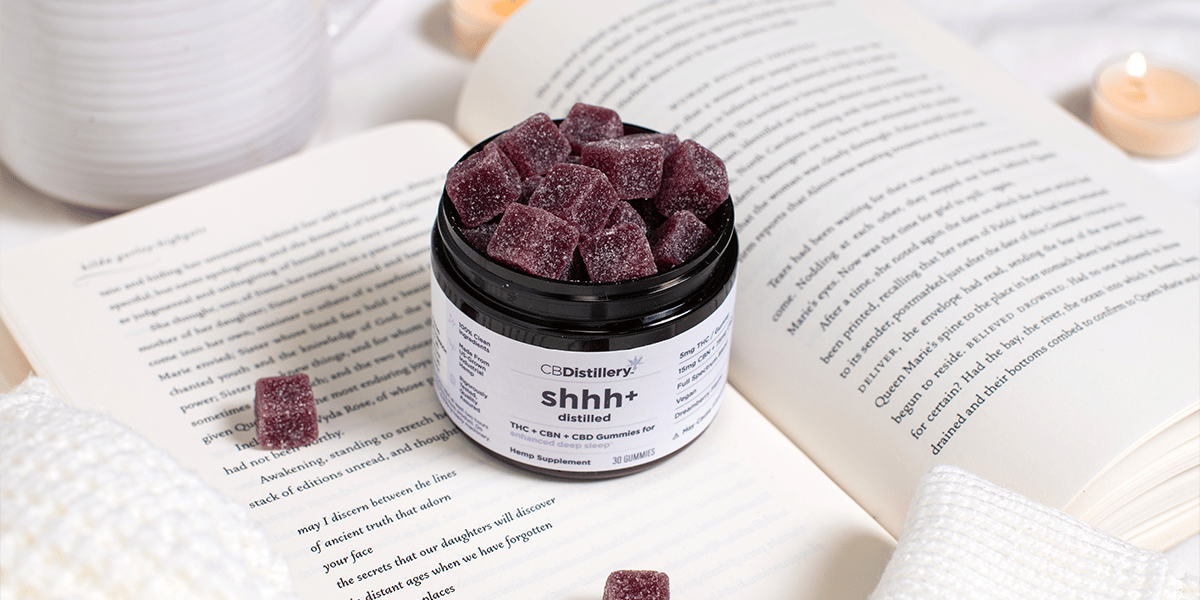
You know the importance of sleep, but actually getting enough is easier said than done. One wellness brand decided to study the problem and whether CBD could help.
CBD users have long reported feeling calmer and sleeping better, whether taking the compound by itself or with related hemp-derived compounds like CBN and THC. But rumor isn’t research, so CBDistillery conducted two sleep studies: a 2021 study into CBD and CBN, and a 2023 study with technology app Releaf into CBD, CBN and THC.
Study participants who took CBD and CBN reported falling asleep easier and sleeping an hour longer per night, on average. Study participants who took THC as well as CBD and CBN reported improved quality of sleep and waking up more refreshed the next morning.
Want to experience better sleep and still wake up refreshed? Try CBDistillery’s sleep solutions for yourself and save 25% with code SLP25.
WHAT THE GUT MICROBIOME ACTUALLY IS
Your gut microbiome is the collection of bacteria, fungi, and other microorganisms living in your digestive tract. You have approximately 100 trillion microorganisms representing thousands of species. This ecosystem weighs 2 to 3 pounds.
These bacteria break down fiber your body can't digest, produce vitamins, train your immune system, and create neurotransmitters that communicate with your brain. A healthy microbiome has high diversity. Low diversity is associated with obesity, inflammatory bowel disease, allergies, and metabolic dysfunction.
The gut health industry has taken this legitimate science and used it to sell you products that don't do what they claim.
THE 80% THAT DOESN'T WORK
MOST PROBIOTIC SUPPLEMENTS
The probiotic supplement industry is worth $7 billion annually. Most of it is useless.
The problem: Most probiotic supplements contain bacterial strains chosen because they're easy to manufacture, not because they benefit human health. These strains don't colonize your gut. They pass through and leave your body within days of stopping the supplement.
Even when specific strains have been studied, the benefits are usually for very specific medical conditions like antibiotic-associated diarrhea or IBS. The idea that general probiotic supplements improve gut health in healthy people has weak evidence.
The research: Multiple systematic reviews found that probiotic supplements don't significantly alter the gut microbiome in healthy adults. They don't increase diversity. They don't colonize long-term.
There are exceptions. Specific medical-grade probiotics for specific conditions do work. VSL#3 for ulcerative colitis. Certain strains for antibiotic-associated diarrhea. But these aren't the general supplements sold at Whole Foods.
GUT CLEANSES AND DETOXES
The idea that you need to cleanse your gut is nonsense. Your liver and kidneys detoxify your body constantly. Your gut doesn't accumulate toxins that need flushing.
Gut cleanse products contain laxatives, fiber, or herbs that make you go to the bathroom frequently. You're not detoxifying. You're experiencing diarrhea from laxatives. This doesn't improve your microbiome. It disrupts it.
DIGESTIVE ENZYMES (FOR MOST PEOPLE)
Your pancreas produces digestive enzymes naturally. Unless you have pancreatic insufficiency, chronic pancreatitis, or cystic fibrosis, you're producing enough enzymes to digest food.
Taking extra enzymes doesn't make digestion more efficient if enzyme production is already normal. Your body regulates enzyme production based on what you eat. Adding more doesn't improve anything.
Exception: lactase supplements for lactose intolerance work because lactose-intolerant people genuinely don't produce enough lactase enzyme.
APPLE CIDER VINEGAR FOR GUT HEALTH
There's no credible research showing apple cider vinegar improves microbiome composition, reduces bloating, or enhances digestion. The gummies are worse—minimal vinegar plus added sugar, essentially candy with a health halo.
EXPENSIVE PROBIOTIC FOODS WITH ASTRONOMICAL CFU COUNTS
Yogurts advertising 50 billion CFUs or 100 billion CFUs are using numbers as marketing. More bacteria doesn't mean better results. What matters is whether those specific strains have been shown to provide benefits, not the total count.
The CFU number is a gimmick to justify charging $3 more per container.
THE 20% THAT ACTUALLY WORKS
FIBER FROM WHOLE FOODS
This is the single most important factor for gut health and it's not sold in expensive bottles.
Your gut bacteria feed on fiber. When you eat fiber, bacteria ferment it and produce short-chain fatty acids like butyrate, which feed intestinal cells and reduce inflammation. High fiber intake consistently correlates with better microbiome diversity.
The average person eats 15 grams of fiber daily. The recommendation is 25 to 35 grams. Increasing fiber to adequate levels improves microbiome diversity more than any supplement.
What this looks like: Eat vegetables, fruits, whole grains, beans, and lentils. A cup of cooked lentils has 15 grams of fiber and costs 50 cents. A prebiotic supplement has 5 grams and costs $1.50 per serving.
FERMENTED FOODS (THE REAL ONES)
Fermented foods contain live bacteria and have been shown to improve microbiome diversity and reduce inflammation.
What works: Plain yogurt with live active cultures, kefir, refrigerated sauerkraut, kimchi, miso, tempeh. These need to be real fermented foods, not shelf-stable pasteurized versions that killed the bacteria.
Why this works better than supplements: Fermented foods provide bacteria in a food matrix that helps them survive stomach acid and reach your colon. They're cheaper. Plain yogurt costs $4 for a week of probiotics. Probiotic supplements cost $40 monthly and may not work at all.
POLYPHENOLS FROM PLANTS
Polyphenols are compounds in colorful plant foods that aren't digested in your small intestine. They reach your colon where gut bacteria metabolize them into beneficial compounds.
Where you get them: Berries, dark chocolate, coffee, tea, red wine, olive oil, nuts, colorful vegetables. You're eating a diet rich in plant foods, not taking supplements.
AVOIDING UNNECESSARY ANTIBIOTICS
Antibiotics kill bacteria indiscriminately. They wipe out large portions of your gut microbiome. Every course of antibiotics reduces microbiome diversity, and it can take months to years to fully recover.
What to do: Only take antibiotics when medically necessary for bacterial infections. Don't pressure doctors for antibiotics for viral infections. When you do take them, eating fermented foods during and after may help restore diversity faster.
DIETARY DIVERSITY
Eating a wide variety of different plant foods is associated with greater microbiome diversity. Research shows people who eat 30 or more different plant foods weekly have more diverse microbiomes than people who eat fewer than 10.
What this means: Don't eat the same five vegetables every week. Rotate through different fruits, vegetables, grains, beans, nuts, and seeds. Each one feeds different bacteria.
THE REAL REASON GUT HEALTH PRODUCTS ARE EVERYWHERE
The gut microbiome is trendy, complex, invisible, and connected to multiple health outcomes. This makes it perfect for marketing.
Companies can claim their product supports gut health without proving anything because supplements aren't regulated like drugs. They can put "probiotic" on the label, charge $50 per bottle, and sell millions of units to people who trust that expensive supplements must work.
The science of the microbiome is real and fascinating. The products being sold based on that science are mostly garbage.
COMMUNITY SPOTLIGHT
Last week, reader Tom (43) replied to our newsletter:
"I moved my last coffee from 3pm to 1pm. That's it. Didn't expect much. But I've been falling asleep 20-30 minutes faster for the past 2 weeks. Still wake up once or twice at night, still not perfect sleep, but falling asleep faster is a win I'll take. Small change, noticeable difference."
Want to be featured? Reply with your health story—what you bought, what worked (or didn't), what you wish you'd known. Real experiences, not influencer sponsored posts.
The truth nobody wants to hear:
The supplement industry knows gut health is trendy and confusing, which makes it perfect for selling expensive products with vague claims. They know "supports gut health" sounds scientific without meaning anything specific. They know you'll spend $50 on probiotics because it feels proactive, even though a $4 container of plain yogurt would be more effective. The 20 percent that actually works is cheap and unsexy: eat more fiber from vegetables, beans, and whole grains. Eat fermented foods like yogurt, kefir, and sauerkraut. Eat 30+ different plant foods weekly. Don't take unnecessary antibiotics. That's it. That's the entire evidence-based gut health protocol. Everything else is marketing designed to extract money from people who want to believe expensive supplements work better than eating actual food.
Here's to eating real food instead of buying expensive supplements,
Sarah
When you're ready, here are 2 ways I can help:
1. The Complete Healthy Eating Bundle: 180 high-protein recipes across Breakfast, Lunch, Dinner, Smoothies, Snacks, and Desserts. Every recipe includes fiber-rich whole foods that actually support gut health—beans, lentils, vegetables, whole grains. No expensive supplements required. Get 70% off with code "2026"
2. Sponsor this newsletter: Reach 40,000+ health-conscious subscribers who actually read, engage, and take action. No BS fitness bros, no fad dieters—just people who want real information about nutrition and health. Contact us at [email protected]